It’s Monday. Marketing reports new enquiries. Sales has proposals out. Then you open the bank statement, and the month looks nothing like the pipeline.
At the budget meeting, the easiest number to act on is the one marketing can buy: more leads. But if the last ten people who could have bought from you are still waiting for a reply, a clear offer or a reason to trust it, the next ten will arrive at the same point. You’ll fund a second round of introductions before you’ve understood why the first went nowhere.
Inconsistent revenue is a symptom. Before you add to the budget, find out whether too few suitable buyers find you, whether they get stuck deciding, or whether the money comes in later than you planned. Each calls for a different decision. These seven mistakes help you work out which one you’re paying for.
1. Treating a quiet bank statement as proof you need more leads
Sales says two clients signed last week. Finance says the money hasn’t arrived. Both can be right. If work has started but the invoice is still waiting on a purchase order, a new campaign won’t help you meet payroll this month.
What to fix first: Put enquiry, signature, invoice, payment and start dates next to each other for one offer. If signed work is steady and receipts are slipping, start with billing or collections. If fewer suitable buyers are signing, work back from the last decision they made. Give each group of enquiries enough time to complete your usual sales cycle before comparing it with another.
2. Buying more of the attention that brings you the wrong buyers
The lead report looks healthy. Then sales explains that half the calls are about work you don’t do. Every one of those calls costs someone time, and a cheaper cost per lead can make the problem look like progress.
What to fix first: Read why enquiries were ruled out, by source and by offer. Check what the buyer saw before they called, whether that was a search result, an advert or a referral message. If the same wrong expectation keeps coming from one source, tighten the promise or targeting there. If suitable buyers rarely see you and those who do repeatedly buy, more relevant visibility may be the right investment. Check both before you cut or increase spend.
3. Making the buyer work out what you actually do for them
A managing director lands on a page that promises “growth solutions”. She still has to decide whether you can help with the problem on her desk: her sales team is quoting every week, but larger contracts are going quiet. If she can’t tell whether you deal with that problem, she has little reason to give you another five minutes.
What to fix first: Compare the words that brought suitable buyers in with the first thing they see on the page. Look at what they repeatedly ask before a call. If they still need to ask who the service is for or what it changes, answer that on the page. Check whether fewer calls are spent explaining the basics and more suitable visitors reach a useful first conversation.
4. Giving buyers proof they can’t use to get a decision made
Your contact liked the proposal. Then it went to finance and disappeared. A general testimonial may help someone trust your company, but it won’t tell finance how much staff time implementation will take or what happens if delivery slips. Silence doesn’t tell you which concern stopped the decision.
What to fix first: Ask a buyer who stalled: “When you took this to the person who had to approve it, what couldn’t you answer?” If the same concern recurs, put relevant proof where it’s needed: a comparable delivery example, a clear implementation plan or a defined responsibility. Ask whether that resolves the concern before you schedule another follow-up or offer a discount.
5. Discounting an offer before you know why it’s hard to buy
A buyer says the proposal is too expensive. That could mean the price is out of reach. It could also mean the buyer can’t justify committing to six months before seeing any useful result. A discount can lower your margin and still leave that decision just as hard.
What to fix first: Read the last few lost proposals alongside the conversations. Work out whether the sticking point is price, scope, time to value or something your service can’t reliably deliver. If buyers need a smaller first commitment, see whether you can offer a defined first piece of work that delivers value on its own and makes commercial sense for both sides. If the service can’t deliver the outcome you promised, fix delivery before you sell more of it.
6. Paying for enquiries that go cold between two teams
Marketing sees a form submission. Sales sees a name in a queue. The buyer sees nobody getting back to them. The same thing happens after a good call if the proposal arrives with no agreed next step. By the time someone follows up, the buyer may already be speaking to your competitor.
What to fix first: Trace actual enquiries from arrival to reply, conversation, proposal and decision. Check who owned each handoff and what the buyer was asked to do. If suitable enquiries wait because responsibility is unclear, name one owner and agree a reply window. Track how many reach a conversation in that window, then check whether more of the same group ultimately pay and start.
In a Dubai luxury real estate assessment, Diamond Litchi found enquiries already arriving through property portals, WhatsApp and the website. The team was handling them across disconnected channels, relying on manual coordination to assign and follow up. Another campaign would have sent more work into that same handoff. The first recommendation was to bring intake and ownership together.
7. Paying to replace clients who never reached the value they bought
New sales can keep a month looking respectable while existing clients quietly fail to renew. If clients bought a result but spent their first month chasing access, instructions or a usable deliverable, the cost shows up later. By then it can look like a problem with new sales.
What to fix first: Separate new, repeat and lost revenue. Read what happened after the sale for clients who left and compare it with those who stayed. Find the first sign that they weren’t getting the value they expected, and check it with the client where possible. Fix the onboarding step or delivery gap before putting money into replacing those accounts.
Give the next budget decision an owner
Two businesses can report the same number of enquiries and paid starts and need opposite fixes. Use the numbers to find the step worth investigating, then use the buyer’s actual journey to decide what to change.
- 40 enquiries
- 4 qualified
- 2 paid and started
Start with buyer fit. Why did so few enquiries qualify?
- 40 enquiries
- 20 qualified
- 2 paid and started
Start after qualification. Which step did suitable buyers reach before stopping?
Bring one decision to the next budget meeting: “We’re losing suitable buyers between this step and that step. Here’s what we checked. Here’s the one change we’ll test and who owns it.” Agree which buyer behaviour should move and when the group will be old enough to judge paid starts. If the expected behaviour doesn’t change, reopen the diagnosis before spending more.
If marketing can show you every form submission, but sales and finance can’t tie those submissions back to deals and payments, start with the records you already have. Put the three teams around the same ten enquiries. If they still can’t agree on what happened, don’t pay to get another ten until someone can follow one enquiry through to an outcome.
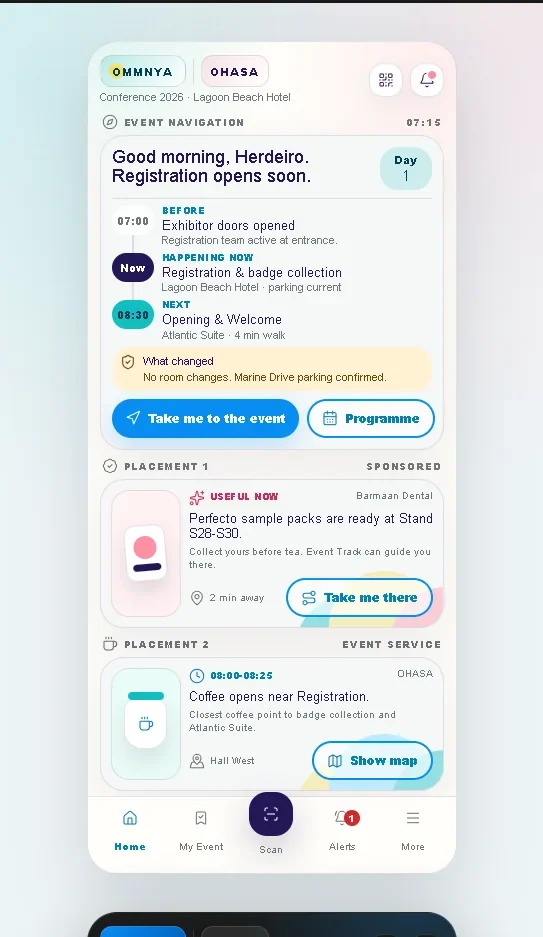
The break can be small enough to miss from a report. In Barmaan Dental’s account on Clutch, its director describes how Diamond Litchi spotted friction when buyers at an exhibition tried to find product and pricing information, then simplified the QR purchasing path. Visitors were already interested. What needed work was the step between that interest and buying.
That’s the work of Revenue Systems Engineering. When the budget comes up again, ask one question: Which buyer will this spend help take the next step, and what stopped them last time? If nobody can answer, that’s the first thing to fix.

Frequently asked questions
How do I turn my leads into sales?
Start with the last group of enquiries that had enough time to buy. Separate the people you could serve from those you couldn’t. If few were a fit, check what brought them to you. If suitable buyers took a call but didn’t proceed, ask what stopped the decision and check the handoff, offer or proof against what they tell you. Fix the repeated obstacle before increasing lead volume.
How many leads turn into sales?
There’s no single rate that tells you whether your business has a problem. Divide the number who paid and started by the number of genuine enquiries in the same group, once they’ve had a normal sales cycle. Then look separately at the share that qualified and the share of those qualified buyers that paid and started. The first tells you about fit; the second tells you how often suitable buyers completed the purchase.
Why am I not getting any sales?
Start by checking whether suitable buyers are getting far enough to make a decision. If almost none see the offer, look at reach. If suitable people enquire but don’t book or buy, check how the offer is explained, what they need to trust it and whether they can complete the next step. Test the buying path yourself before assuming there’s no demand.
What is the 5 minute rule for leads?
It’s a rule of thumb for responding to a new inbound enquiry within five minutes, not a universal deadline. Look at when suitable buyers actually enquire, how long they wait and whether the reply moves them to a useful conversation. A quick acknowledgement helps only if someone owns the substantive reply.
What is the fastest way to generate leads?
Before buying traffic, check the buyers you already know: good-fit enquiries that never got a substantive reply, customers with a relevant next need and referrals awaiting an introduction. Reopen a conversation only when there’s a useful reason to do so. Measure how many suitable buyers engage, not how many names go back into the CRM.
Why is my business profitable but still short on cash?
A sale can contribute to reported profit before the customer pays, while wages, stock and suppliers may need paying sooner. Match signed orders to invoices and actual receipts, then check where cash is held up. If clients are buying but paying late, changing the marketing budget won’t fix the payment gap.
Why do prospects go silent after a proposal?
The person who liked the proposal may still need to persuade someone else, resolve a delivery concern or agree on timing. Ask what happened when the offer was taken for approval and compare the answer with other stalled deals. If the same concern keeps coming up, address it before sending another reminder or lowering the price.
Why is my new website getting traffic but no sales?
Separate who arrives from what happens after they arrive. Compare visits by source and landing page, then check whether suitable visitors see the same offer they were promised and can find pricing, enquire or complete checkout. Test that path on a phone. Change the point where buyers stop before changing the entire site.
What is a good customer retention rate?
Compare like with like: customers of the same offer who had enough time to reorder or renew. Look at the rate across comparable groups and the revenue lost when buyers leave. If departures cluster before buyers get the first result they paid for, fix that part of the experience before spending to replace them.
What is a revenue diagnostic?
A revenue diagnostic follows one offer from the first buyer interaction to payment and, where relevant, renewal. It separates documented losses from plausible explanations so leadership can fund the right fix. Diamond Litchi’s Revenue Diagnostic evaluates where suitable buyers stop, what shows it and what should change before more budget is committed.